
How to Choose the Right Outdoor Pavers for Your Home
Posted on
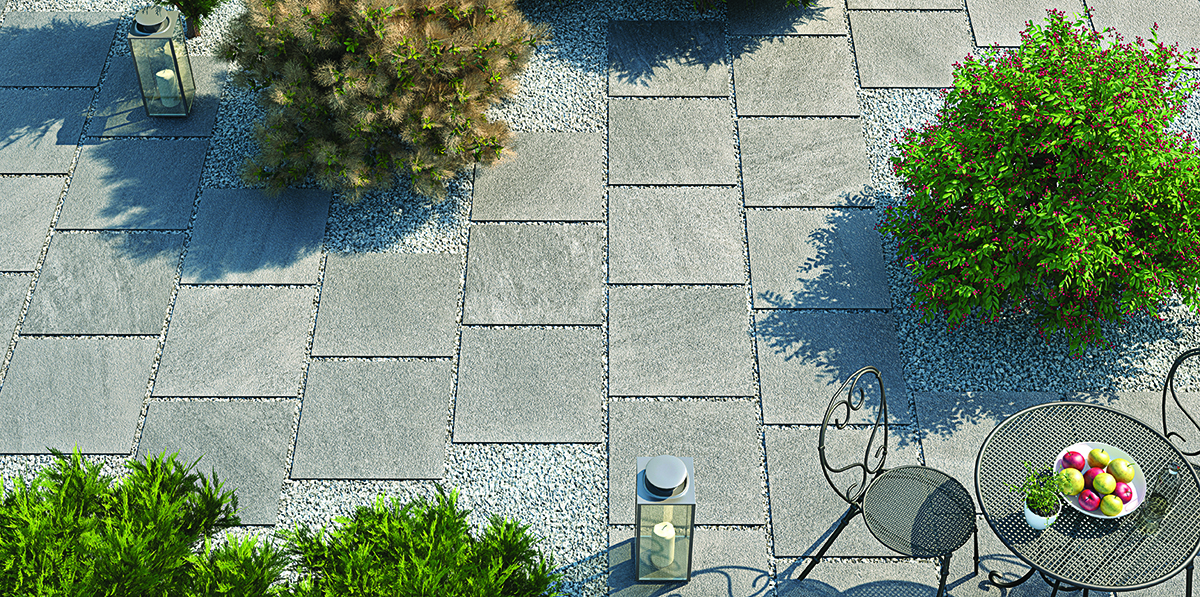
A well-designed outdoor space can completely change how a home is experienced. Patios become gathering places for family and friends. Walkways guide visitors through gardens and landscapes. A thoughtfully designed driveway can enhance curb appeal while supporting daily use. At the center of these outdoor spaces is one important design decision: choosing the right pavers.
Today’s homeowners have more options than ever. Natural stone and porcelain pavers offer distinct advantages in durability, style, and maintenance. While the variety of materials can feel overwhelming at first, understanding a few key considerations can make the selection process much easier. By considering how the space will be used, how materials perform in your climate, and how the design connects with your home, you can choose outdoor pavers that create a beautiful and long-lasting outdoor environment.
Consider the Purpose of the Space
The function of an outdoor space is the first factor to consider when choosing pavers. Different areas of the property experience different types of use, which affects the ideal material, size, and layout.
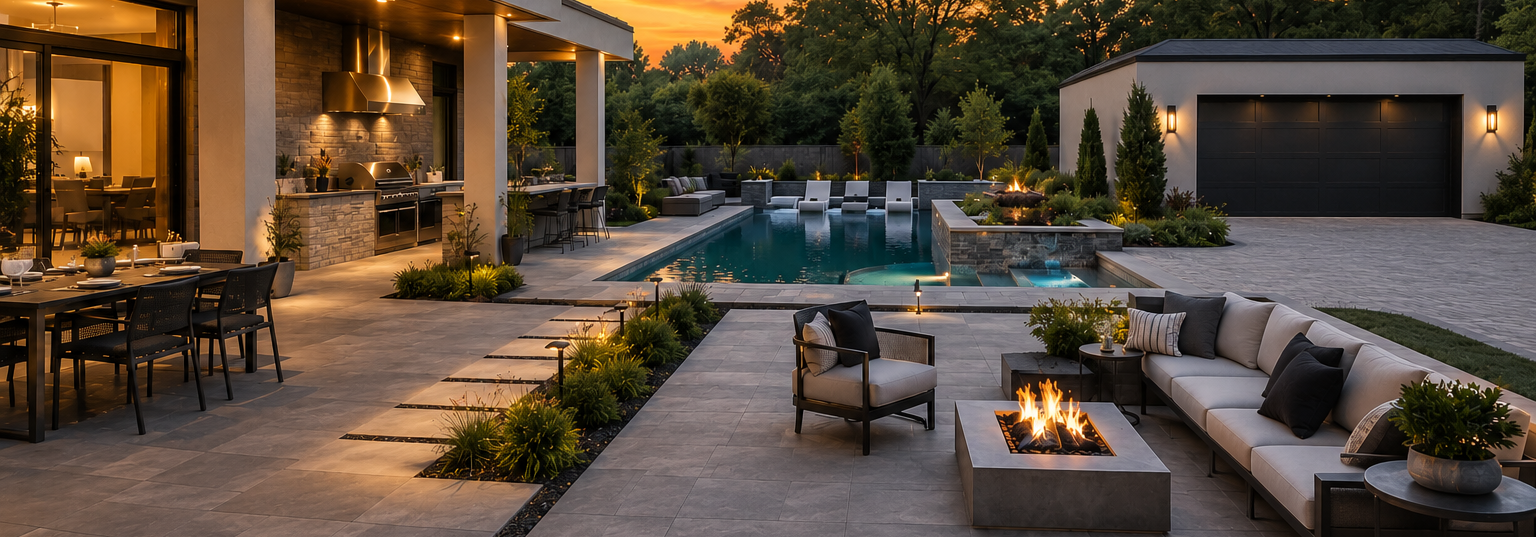
Patios designed for entertaining often benefit from larger-format pavers that create a sense of openness while providing a stable surface for furniture. Walkways typically require consistent textures that are comfortable and safe to walk on. Driveways must support vehicle weight, so select pavers that are thick and durable enough to handle heavier loads. Pool decks introduce additional considerations. Pavers in these areas should provide traction when wet and remain comfortable underfoot in warm weather. Understanding the intended use of the space helps narrow down the materials and styles that will perform best.
Think About Lifestyle and Daily Use
Beyond its function, it is also helpful to consider how the space will be used day to day. Homes with children or pets may benefit from surfaces that provide good traction and withstand frequent activity. Outdoor kitchens and dining areas often require materials that resist staining and are easy to clean, like natural stone slabs. Features such as outdoor fireplaces or showers may also influence material selection, as these areas benefit from surfaces that can withstand heat, moisture, and frequent use. For spaces designed primarily for relaxation, comfort underfoot and a calm visual aesthetic may become higher priorities.
Taking time to consider these everyday needs helps ensure the finished space fits your lifestyle naturally.
Connect the Design to Your Home
Outdoor materials should feel like a natural extension of the home’s architecture. Whether your home leans contemporary, traditional, or somewhere in between, many paving materials today are available in a wide range of colors, textures, and formats that can be tailored to suit your design vision. Clean lines and larger formats can create a modern look, while more textured surfaces and varied tones can bring warmth and character to classic designs.
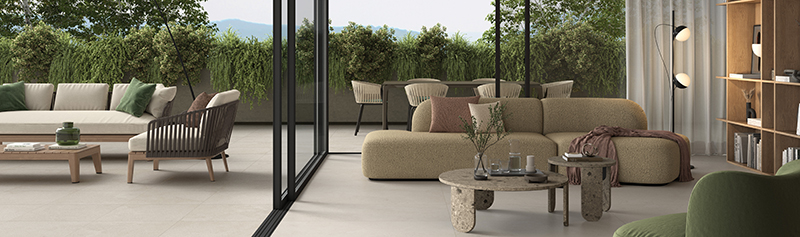
Looking at the existing materials in your home can help guide design decisions. Exterior siding, roofing, stone accents, and surrounding landscaping all influence which colors and textures will create a cohesive outdoor environment. When the hardscape design complements the architecture, the entire property feels more connected and intentional.
Consider Climate and Environmental Conditions
Climate plays a major role in how outdoor materials perform over time. In regions that experience seasonal temperature swings, pavers must withstand moisture, freezing temperatures, and freeze-thaw cycles. Materials that absorb excessive moisture may be more prone to cracking or surface damage as temperatures fluctuate. Our collections also include detailed technical specifications to help guide material selection based on performance needs and environmental conditions
Dense natural stones such as granite or bluestone often perform well in colder climates because of their durability. Porcelain pavers are also highly resistant to moisture and temperature changes. In warmer climates, color becomes another important factor. Lighter-colored pavers reflect sunlight and tend to remain cooler underfoot, making patios and pool areas more comfortable during hot weather. Choosing materials suited to the local environment helps ensure outdoor surfaces remain stable and attractive for years.
Safety and Surface Texture
Surface texture affects both comfort and safety in outdoor spaces. Areas that frequently become wet, such as pool decks or entryways, benefit from pavers that provide natural traction. Many natural stone options and porcelain pavers are available with textured finishes that help improve slip resistance without sacrificing appearance.
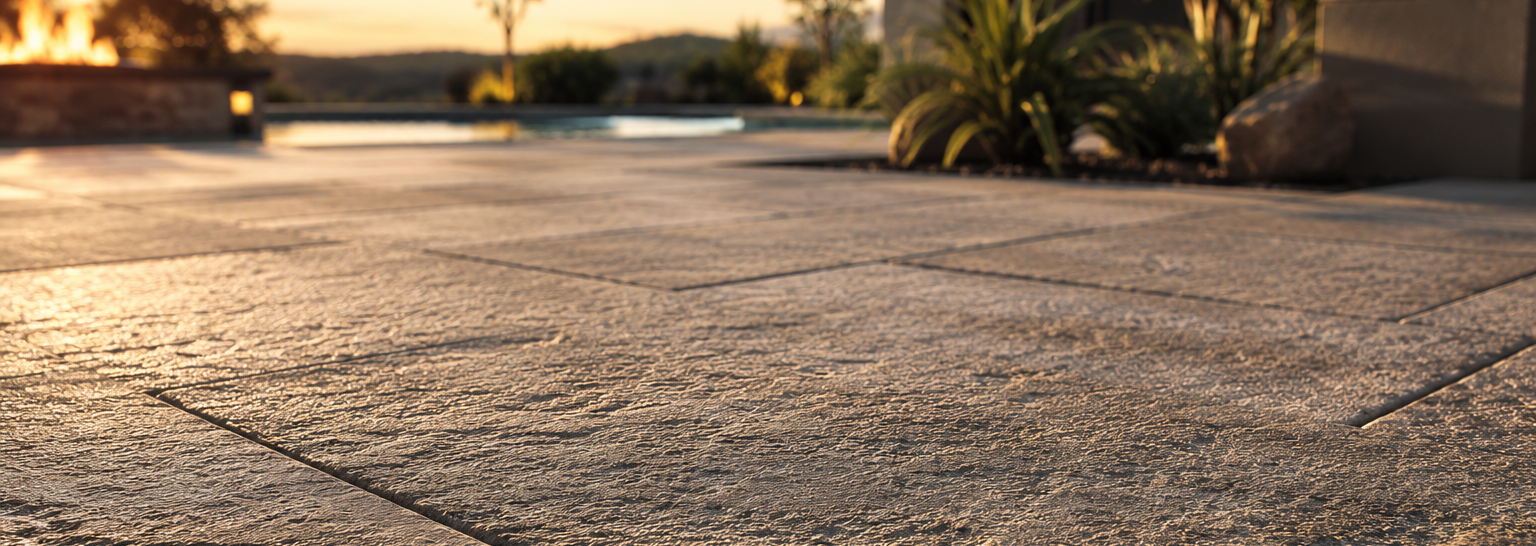
Texture also affects how the surface feels underfoot. Some materials remain comfortable for bare feet, while others may feel rougher or warmer depending on the finish and color. Balancing aesthetic preferences with practical safety considerations helps create outdoor spaces that are both beautiful and functional.
Comparing Outdoor Paver Materials
Several materials are commonly used for outdoor pavers, each offering unique advantages depending on the project. Experienced stone and tile specialists can often help homeowners compare these materials and determine which options are best suited for their space and climate.
Natural Stone Pavers
Natural stone offers timeless beauty and natural variation that cannot be replicated by manufactured materials. Stones such as travertine, limestone, bluestone, and granite bring depth and character to patios, walkways, and driveways. Because each piece of stone is unique, natural stone installations have a distinctive look that many homeowners value. When properly installed and maintained, natural stone can last for decades.
Porcelain Pavers
Porcelain pavers are a popular choice for homeowners seeking a clean, modern look with low maintenance requirements. They are highly resistant to moisture, staining, and temperature changes, making them well-suited for a variety of climates. Porcelain is also available in a wide range of styles, including designs that mimic natural stone, allowing for design flexibility without sacrificing durability or ease of care.
Design Considerations: Color, Texture, and Pattern
Once materials have been selected, design elements such as color, texture, and layout help shape the space's final appearance.
Color Selection
Color influences both the visual character and comfort of outdoor spaces. Lighter colors reflect sunlight and help surfaces remain cooler, while darker tones can add contrast and help conceal minor stains. Selecting colors that complement the home’s exterior and the surrounding landscaping helps create a balanced, cohesive design.
Texture and Surface Finish
Surface finish affects both appearance and functionality. Smooth finishes often create a clean, contemporary look, while textured surfaces add visual depth and improve slip resistance. Some pavers are intentionally finished to appear weathered or aged, which can add character to traditional designs.
Paver Patterns
The layout of pavers can dramatically influence the overall look of a patio or walkway. Popular patterns include hexagon, rectangle, and square shapes. Larger pavers can make a space feel more expansive, while smaller units allow for intricate patterns and decorative borders. Borders or contrasting insets can also help define outdoor areas and create visual interest.

Installation and Long-Term Performance
Even the highest quality pavers depend on proper installation to perform well over time.
A well-prepared base, proper drainage, and careful placement of pavers all contribute to the durability of the finished surface. These structural elements help prevent shifting, cracking, and uneven settling. Routine maintenance also helps preserve the appearance of outdoor pavers. Sweeping debris, occasional washing, and maintaining the joint material between pavers help keep surfaces clean and stable. Some materials may also benefit from periodic sealing to protect against stains and moisture.
Frequently Asked Questions About Outdoor Pavers
What are the best pavers for a patio?
The best patio pavers depend on your design preferences, climate, and maintenance expectations. Natural stone offers timeless beauty and durability, while porcelain provides excellent stain resistance and low maintenance. Concrete pavers are also widely used for their versatility and variety of design options.
Are porcelain pavers better than concrete pavers?
Porcelain pavers and concrete pavers both offer durable solutions for outdoor spaces, but they differ in performance and maintenance. Porcelain pavers are highly resistant to moisture, staining, and temperature changes, making them a low-maintenance option that performs well in a variety of climates. They also offer a more consistent appearance and are available in a wide range of modern styles. Concrete pavers are often chosen for their versatility and initial affordability, but they may require more maintenance over time and are more susceptible to staining and wear.
How long do outdoor pavers last?
Outdoor pavers can last for decades when installed correctly. Natural stone and porcelain pavers are particularly durable, and a properly prepared base helps ensure the surface remains stable over time.
What pavers work best in cold climates?
Dense, moisture-resistant materials tend to perform best in regions with freeze-thaw cycles. Natural stone and porcelain pavers are commonly selected for their durability and resistance to weather-related damage.
Creating an Outdoor Space That Lasts
Many homeowners find it helpful to explore materials in person or consult with specialists at Genrose Stone + Tile, where they can compare a wide range of stone and tile materials side by side. By considering how the space will be used, evaluating different materials, and selecting colors and patterns that complement your home, you can create an outdoor space that feels both functional and inviting. With thoughtful planning and quality materials, patios, walkways, and driveways can become lasting features that enhance your home's beauty and usability for many years.